Anal Papilla
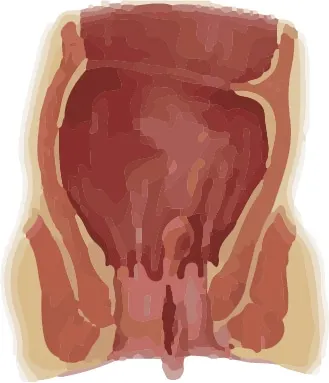
Anal papillae are tiny bumps on the ring a little more than an inch inside the anus. A hard stool can injure them; they swell, and after the swelling settles they stay enlarged and tough.
You may notice
- A vague, persistent uneasy feeling in the rectum
- Discomfort when sitting
- A dull pain
What Dr. Cranford does
Enlarged papillae keep causing trouble and can lead to anal stenosis or an anal fissure unless they are skillfully treated. Dr. Cranford checks for them at every fissure repair and removes them in the office.
Common questions
What is an anal papilla?
A tiny cone-shaped bump on the ring a little more than an inch inside the anus. Normally you never feel them.
Why do they cause trouble?
A hard stool can injure them; they swell, and after the swelling settles they stay enlarged and tough, causing discomfort when sitting and a dull pain.
Should enlarged papillae be treated?
Yes. Left alone they can lead to anal stenosis or an anal fissure.
Anal papilla: the full entryDr. Cranford’s complete clinical notes, in his own words. 239 words, about 1 min.Read the notes
Avoid a serious complication
The most common indications of the presence of one or more enlarged and irritated anal papillae (plural) is a vague persistent feeling of uneasiness in the rectum, discomfort when sitting, and dull pain.
Papillae are very small cone-shaped or teat-like projections that are found protruding from an encircling ring at the upper end of the anal canal. The ring is a little more than an inch inside the anal opening. Ordinarily, papillae are about half the size of a safety match head and their presence is unknown to the individual and unfelt. Often papillae become bruised, cut, torn, or otherwise injured by the passage of a hard stool, by the presence of some hard particle in the stool (such as a nut shell fragment), or by the insertion of a rectal tube or syringe, etc. They then become acutely inflamed, swollen, enlarged, and very tender. The swollen masses extend into the canal of the rectum like sore thumbs. Subsequent stool passages add to the irritation by rubbing and pushing against the inflamed papillae during passage. As the trouble continues, the papillae increase in size. After the acute inflammation subsides, the swelling usually remains and the papillae become tough and fibrous.
Enlarged (hypertrophied) papillae are constant trouble-makers and unless they are skillfully and successfully cared for, they will not only become worse but often lead to more serious complications such as anal stenosis or anal fissure.