Anal Cancer
Anal cancer starts in the anus. Its most common sign is bleeding, and it can also itch, so many people put it down to hemorrhoids, which delays the diagnosis.
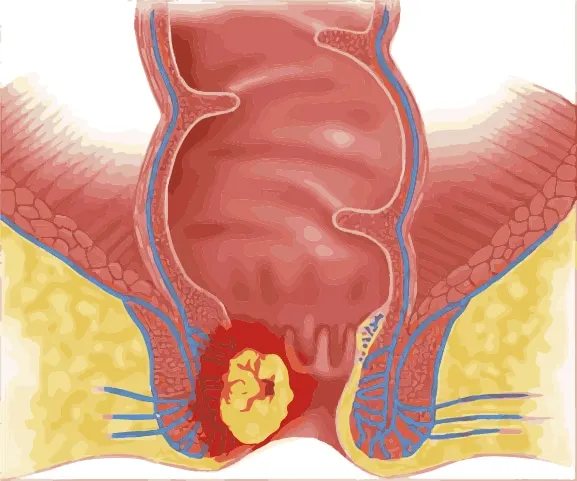
You may notice
- Bleeding
- Itching
- Symptoms you have been calling “hemorrhoids” for a long time
What Dr. Cranford does
Found early, anal cancer is highly treatable. It is often found during a routine rectal exam or while treating what was thought to be a hemorrhoid. Dr. Cranford can examine you early and treat the irritating, inflammatory conditions that may lead to cancer.
Common questions
Can anal cancer look like hemorrhoids?
Yes. Its most common sign is bleeding, and it can also itch, so many people blame hemorrhoids, which delays the diagnosis.
Is anal cancer treatable?
When it is found early, anal cancer is highly treatable. It may be found during a routine rectal exam or while treating what was thought to be a hemorrhoid.
What can I do to lower my risk?
Get examined early, and have irritating, inflammatory rectal conditions treated. Dr. Cranford can help with both.
Anal cancer: the full entryDr. Cranford’s complete clinical notes, in his own words. 143 words, about 1 min.Read the notes
Early detection is key to this disease
Anal cancer is a malignancy that starts in the anus (the opening at the end of the rectum). The most common symptom associated with anal cancer is bleeding. Because anal itching can also be a symptom of the cancer, many people initially attribute their bleeding and itching to hemorrhoids. This can delay the diagnosis of anal cancer.
When it is found early, anal cancer is highly treatable. It may be detected during a routine rectal exam or during a minor procedure, such as treatment of what is believed to be a hemorrhoid. This is why the best means of avoiding cancer is prevention and early detection.
Dr. Cranford can help you in your effort to prevent cancer by performing an early examination and help with eliminating the irritating and inflammatory diseases which may lead to cancer.